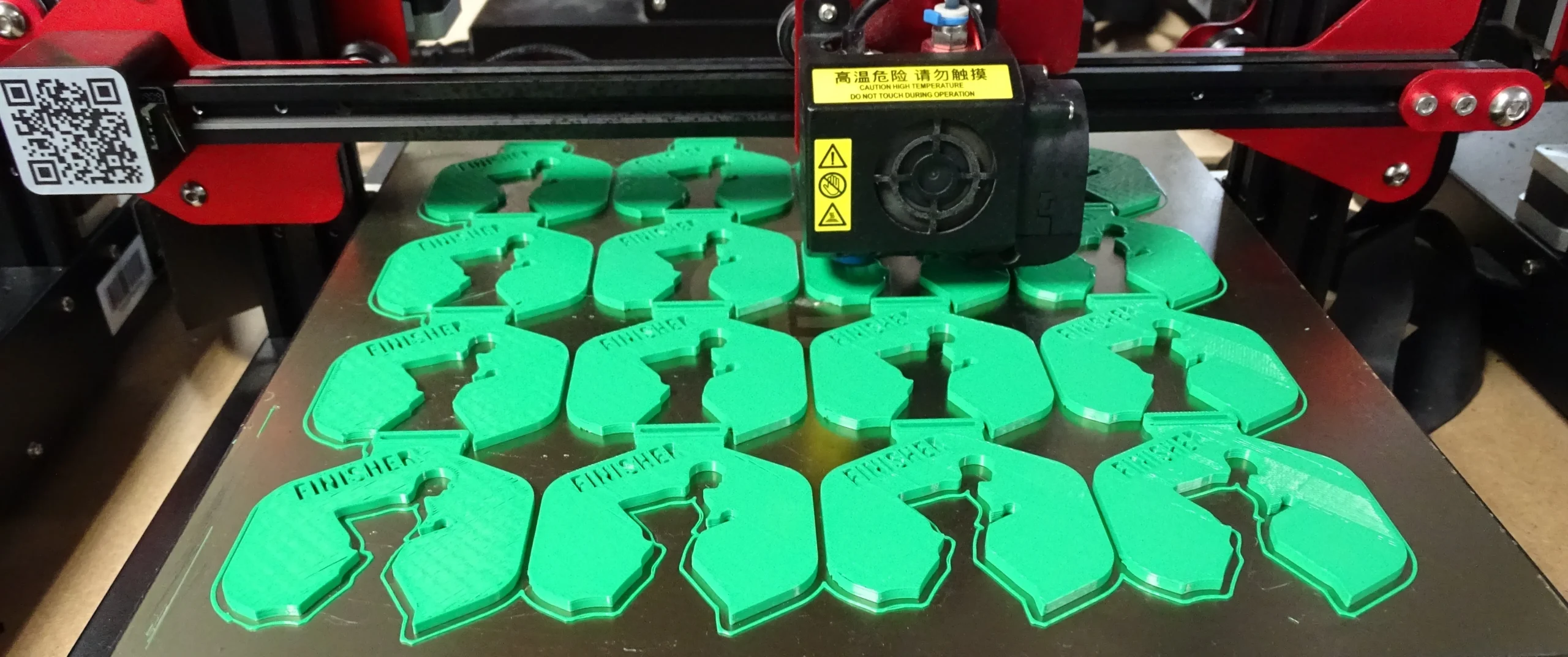
Many times when we start with 3D printing we encounter different problems that can give us many headaches. The most common ones are warping and cracking; problems that arise with ABS filament above all and with ASA, not with the rest of 3D filaments.
But what exactly are they and, more importantly, how can we avoid them?
At Winkle we want to answer your questions and help you to make your 3D prints what you imagined.
What is warping?
Warping occurs when the parts we print peel away from the base and curve upward. But why does this happen? ➡︎Se is because the layers cool on top of each other and, as they contract, they pull the material upwards.
This is a problem we can easily encounter when 3D extrusion printing with thermoplastics, especially when printing large parts.
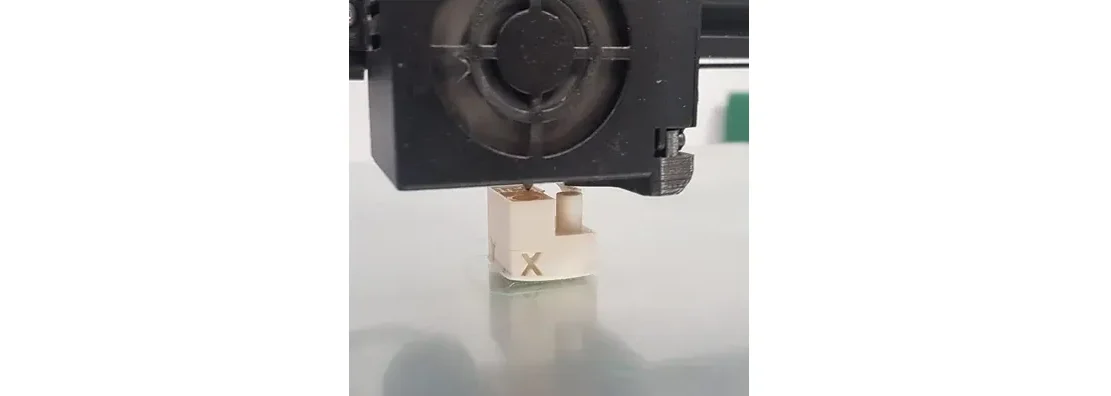
There are a number of tricks to avoid warping:
- Use a heated bed, this way it will always be easier to control the first layer of your prints. If your 3D printer already has it and you are still having problems, raise the temperature 5 or 10 degrees.
- Having a good room temperature, i.e., printing in a place that is not too cold and has no drafts will help you avoid warping and, if you also surround the 3D printer with a box or case, the result will be much better.
- A good calibration of the 3D printer. If you do not have it well calibrated and you print the first layer too high, it will detach from the base.
- Check your fixing product. Maybe the fixative you use is not the most suitable for your 3D printing material and that’s why you can have worse results.
- Make the first layers thicker and slower than the rest of the print, this way the cooling will be slower and it is more difficult to lift the ends.
- Modify the position of the impression, it is better to place the piece vertically than horizontally when it is large, since the surface of the first layer is reduced and the result is better.
- Make ears or brim to the piece, they add adhesion surface to the bed that contribute to avoid warping.
What is cracking?
Cracking is similar to warping only that, instead of appearing in the first printing layer, it appears in the intermediate layers. Normally the parts with this problem usually suffer warping in the first layer.
With these tips you will achieve crack-free 3D printing.
- A warm room temperature must be maintained by closing the 3D printer, and a high extrusion temperature must be achieved to ensure good adhesion between the layers
- The quality of the 3D filaments you use is also very important, the higher the quality, the more complicated it will be for problems such as warping or cracking to occur
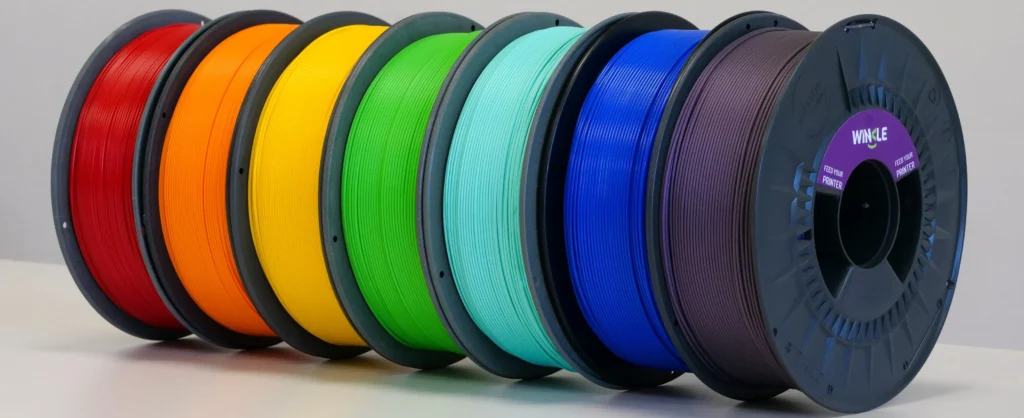
At Winkle we offer a wide variety of 3D filaments to help you achieve the 3D prints you have in your head. If you have any questions, check out our website winkle.shop or contact us so we can advise you on which 3D filaments are best for your project. At Winkle we are constantly working to bring you new 3D filaments so that your creativity in 3D printing has no limits.