3D Printing Materials
3D printing materials are thermoplastic polymers or photopolymer resins designed for additive manufacturing processes. They directly determine the mechanical, thermal, and dimensional behavior of the final part. These materials solidify layer by layer to form a final piece. They are used for engineering and industrial design, technical education, architecture, automotive, toolmaking, and product development.

If we had to choose a 3D printing material, we'd say plastic is the most common, versatile, and cost-effective.
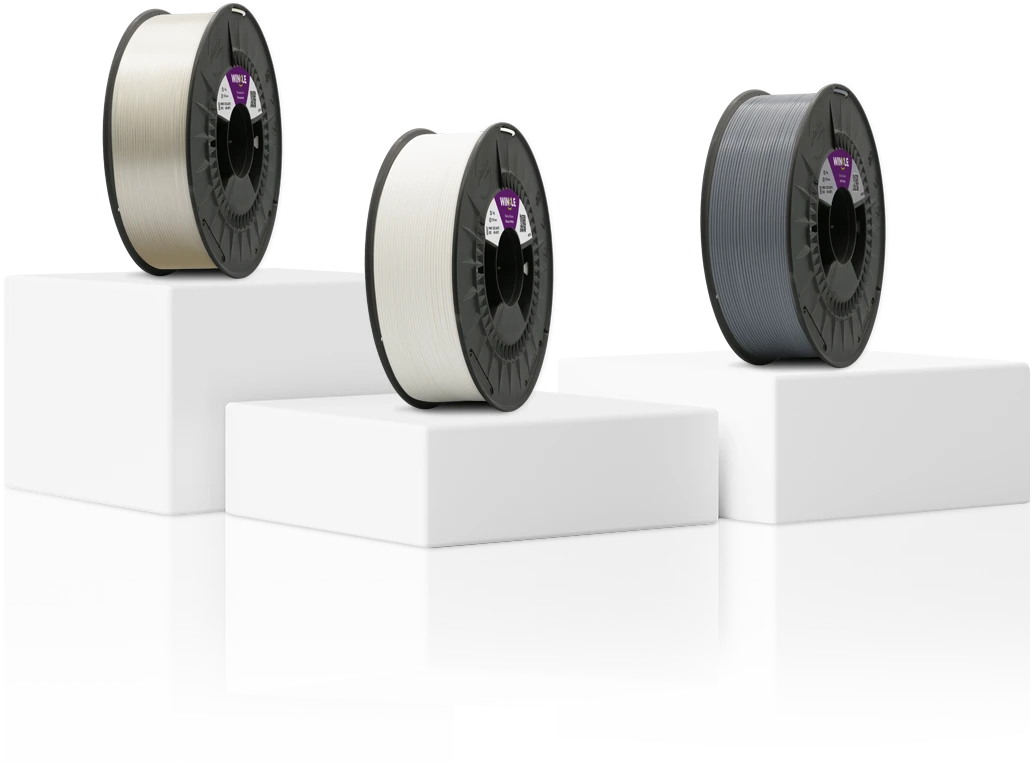
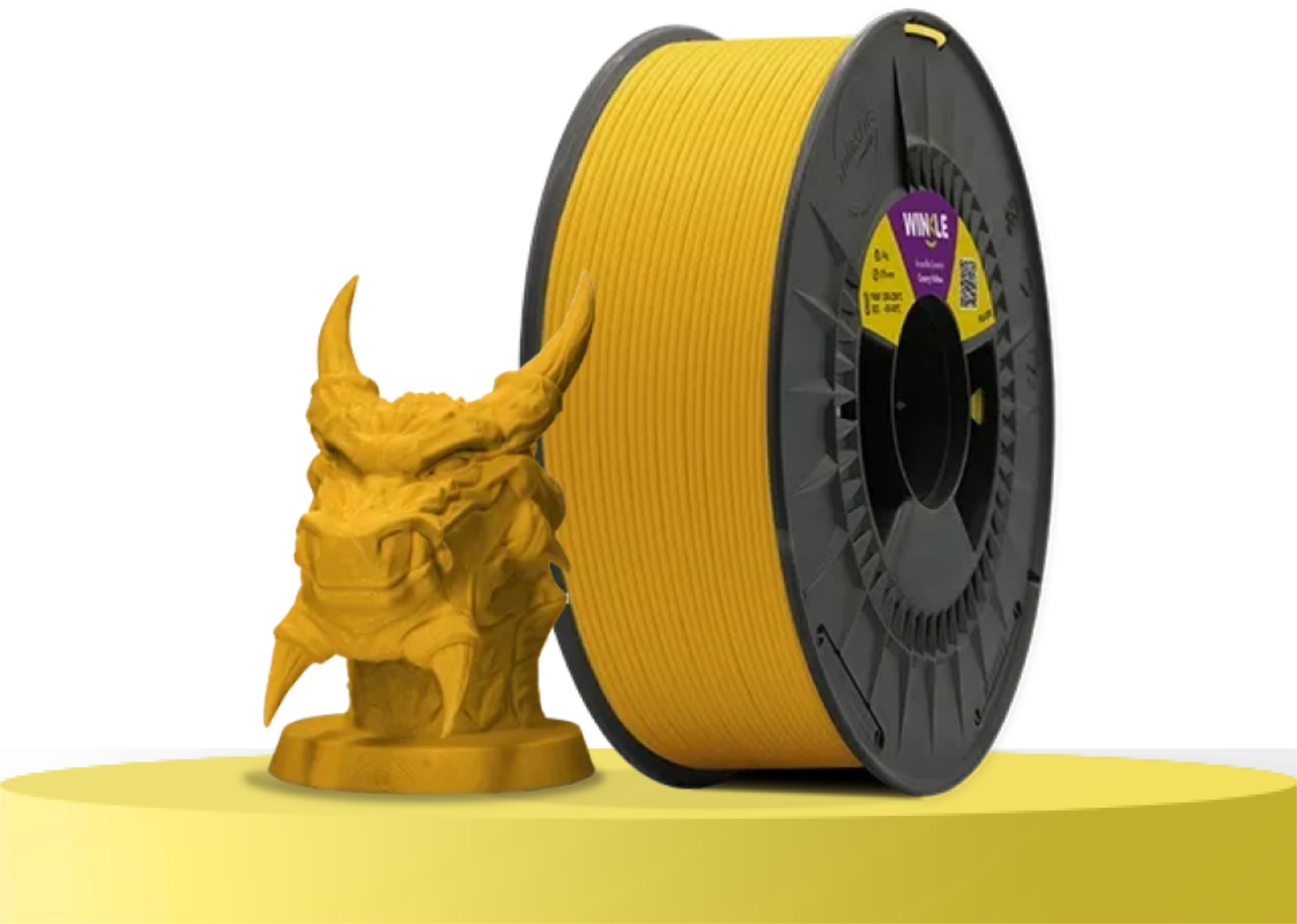
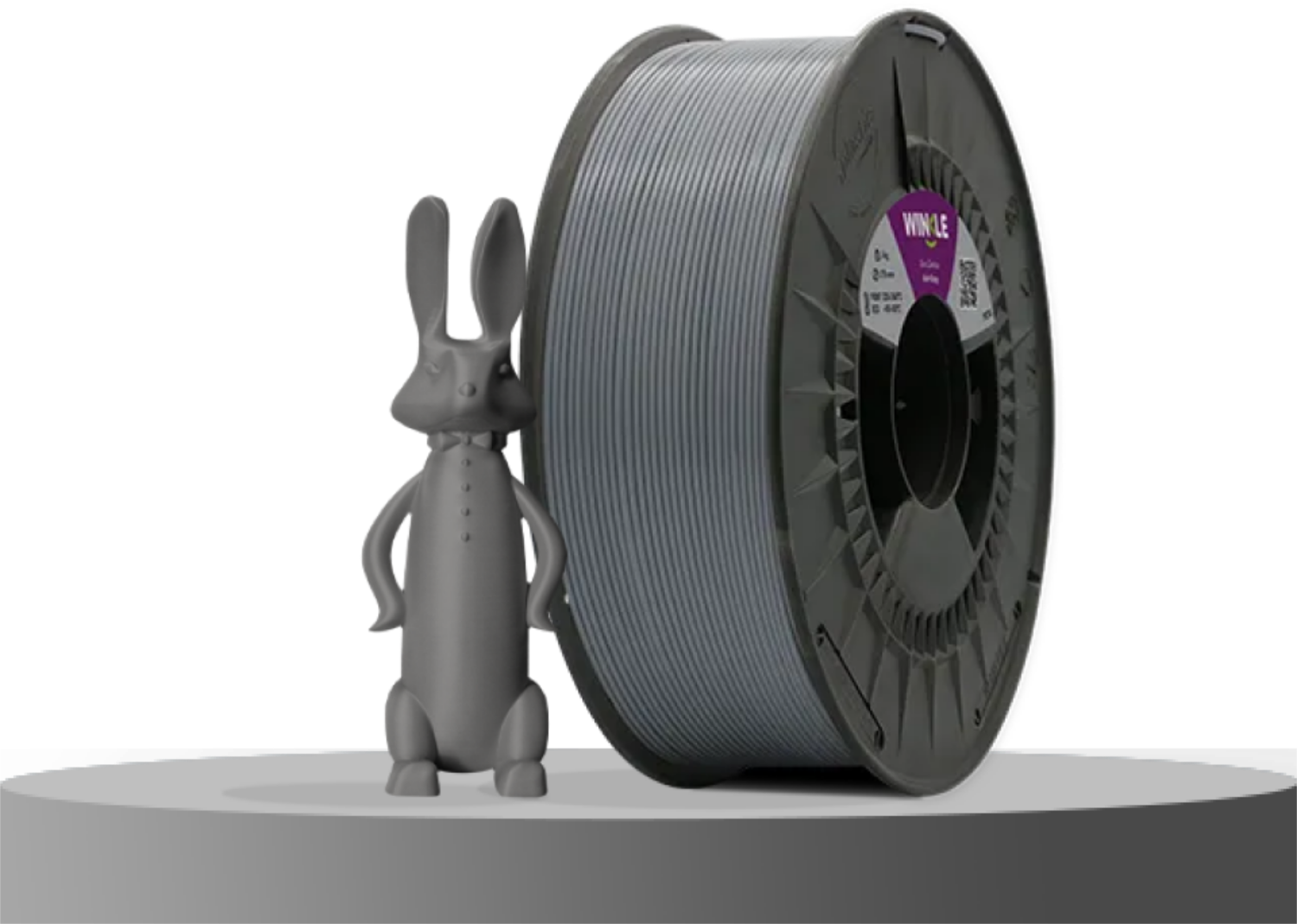
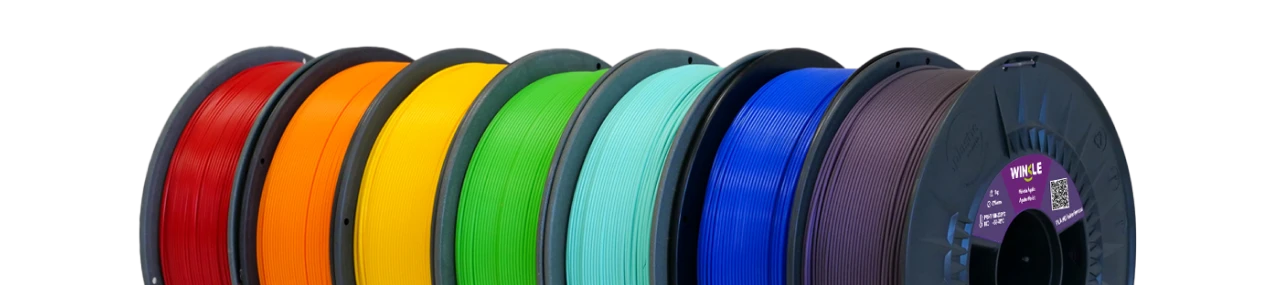
- Plastic comes in filament spools of different colors and textures.
- It's also firm, smooth, and easy to mold.
- Among the most notable are PLA, PETG, and more technical materials.
- It's perfect for all kinds of accessories and even toys.
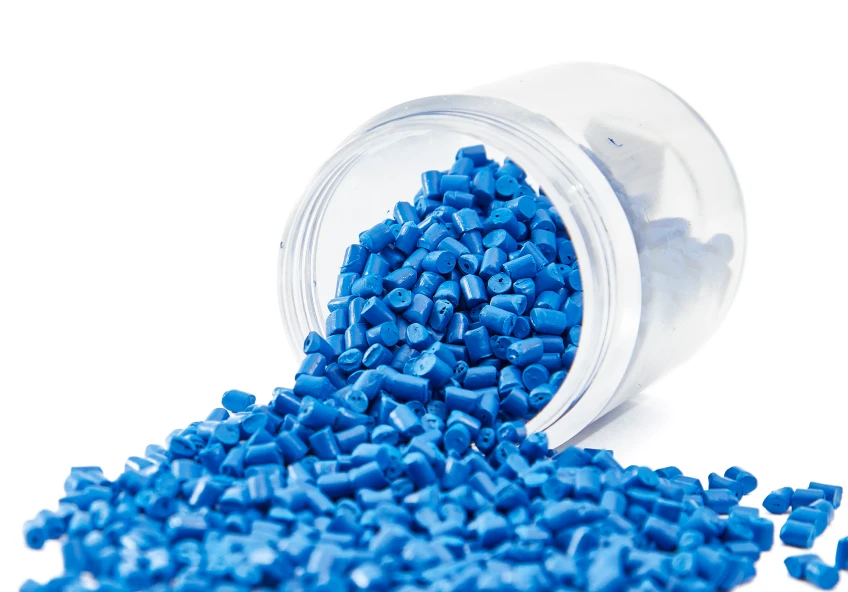
- There are basically two main types of plastics: thermoplastics and thermosets.
What are thermoplastics?
Thermoplastics form the basis of FDM 3D printing due to their ease of processing and low cost. The main thermoplastic filaments are PLA, ABS, and PETG.
PLA stands out for its ease of printing. It has mechanical properties useful for visual prototypes or non-functional parts. It is not suitable for demanding technical applications.
ABS improves thermal performance compared to PLA, allowing its use in parts subjected to moderate temperatures.
PETG is an intermediate solution. It offers greater strength than ABS and better thermal stability than PLA. It is more technically demanding.
Thermoplastic filaments (FDM technology)
We'll tell you about the features and applications of each one!
- It is the easiest fused deposition modeling material to print.
- PLA does not require high melting temperatures.
- Less resistant to heat and chemicals.
- Biodegradable.
- Odorless.

Applications
- Decorative elements
- Gadgets
- Toys
- Prototypes and molds
- Sheets and films
- Plastic bottles
- Compatible with lower printing temperatures for faster production.
- Greater durability and impact resistance than PLA.
- No strong odor.
- PETG does not warp or shrink.
- Translucent color options available.
- UV resistant.

Applications
- Parts for the industrial sector
- Outdoor parts
- Tools, prosthetics, and parts for the medical and food sectors
- Support parts
- Drones
- Tough and durable.
- Impact and heat resistant.
- Requires a heated build plate for printing.
- Requires ventilation.
- Easy machining.

Applications
- Parts for the automotive and marine industries
- Electronic housings and components
- Interior paneling
- Lever elements
- Toys
- Sports equipment
- Office supplies
- Flexible y suave al tacto.
- Son mejores para productos más ligeros y flexibles.
- Buena resistencia al impacto.
- Suave y flexible.
- Buena resistencia al desgarro y la abrasión.
- Excelente amortiguación de las vibraciones.

Aplicaciones
- Productos flexibles y piezas ergonómicas
- Piezas para la industria automotriz, como juntas, revestimientos interiores o sellos
- Productos para el hogar como utensilios de cocina, empuñaduras de herramientas…
- Para suelas, plantillas o talones en la industria del calzado
- En envases y embalajes.
How to Choose the Right 3D Printing Material
As we can see, there are many 3D printing materials perfect for every project.
But how do we know which one is right for us?
Choose your 3D material with these 2 guidelines
▶︎We offer you a 2-step plan to learn how to choose your 3D printing material:
- Low performance: PLA
- Moderate performance: ABS
- High performance: composite materials made of plastic with particle or fiber filler.
At Winkle, you'll find all the requirements for each filament within its technical data sheet and category.
For example, if you need high tensile strength, your filament is PLA.