
🔥FREE shipping on orders of €80 or more ¡Buy Now!





 0
0
 There are no items in your cart
Browse our store and discover our product catalog.
Continue shopping
There are no items in your cart
Browse our store and discover our product catalog.
Continue shopping
Polypropylene stands out for its lightness, chemical resistance, and controlled flexibility. It is used in technical parts, hinges, containers, and components subject to fatigue. It is a material that is difficult to match when resistance to wear and chemicals is required. The perfect filament for industrial and technical applications.
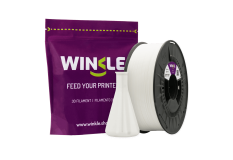
PP (Polypropylene) Winkle Filament - Natural

 Deliveries in 48/72 hours
 Guaranteed quality
 FREE Shipping
  100% Secure payments


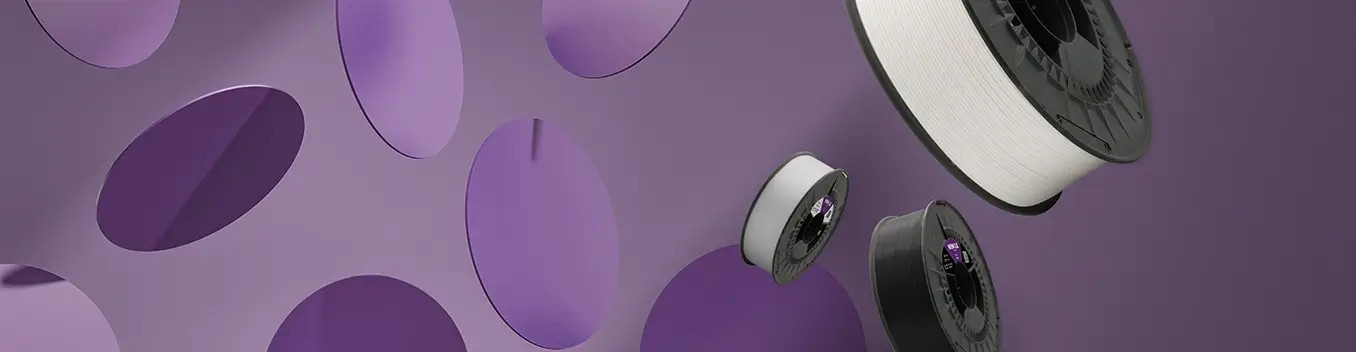
Polypropylene filament, commonly known as PP filament, is a lightweight thermoplastic material used in FDM and FFF 3D printing. Polypropylene is widely used in industrial manufacturing because of its chemical resistance, flexibility, and durability.
In additive manufacturing, polypropylene 3D printing filament is chosen for parts that require flexibility, impact resistance, and resistance to chemicals or moisture.
Compared with many other 3D printing filaments, polypropylene is lighter and more flexible, making it suitable for functional components that must withstand repeated stress.
Polypropylene filament is a thermoplastic polymer used in FDM 3D printers to produce durable and flexible parts. The PP filament for 3D printers is heated and extruded through the nozzle to create objects layer by layer.
Polypropylene is widely used in traditional manufacturing for products such as packaging, automotive components, and household items because of its strength-to-weight ratio and resistance to chemicals.
Polypropylene is naturally flexible, it performs well in applications where parts must bend without breaking.
When to use polypropylene filament:
When polypropylene may not be the best choice:
Polypropylene is often compared with materials such as PLA and PETG when choosing a 3D printing.
Polypropylene stands out for its lightweight structure and chemical resistance, which are difficult to achieve with many other filaments.